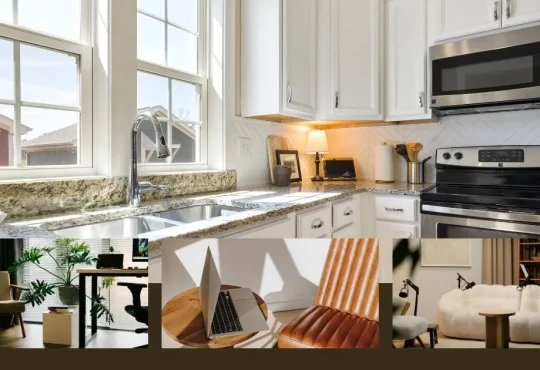


A cluttered kitchen has a way of sneaking up on you. One day, everything feels manageable, and the next, you are digging through a pile of lids to find the right pan. Good kitchen storage is not about having a bigger space or buying expensive cabinets. It is about using what you already have more wisely and creating systems that actually fit how you cook, eat, and live.
Smart kitchen storage ideas can save time, reduce stress, and even make cooking more enjoyable. When everything has a place, you spend less time searching and more time doing what matters. Whether you are working with a small apartment kitchen or a larger family space, the proper storage solutions can completely transform how your kitchen functions.
Genius Kitchen Storage Ideas That Instantly Save Space
1. Start With a Clean Slate
Before adding new organizers or shelves, the best first step is to declutter. Storage works best when it is not trying to hide unnecessary items. Go through your cabinets, drawers, and pantry and remove anything broken, expired, or never used. Be honest about what you actually cook with regularly.
This step alone can free up a surprising amount of space. It also makes it easier to see which storage solutions you actually need. There is no point in organizing tools you never touch or saving containers without lids. A clean slate sets the foundation for a more efficient kitchen.
2. Maximize Cabinet Space From Top to Bottom
Cabinets often have wasted vertical space, especially in older kitchens. Adding shelf risers is one of the simplest ways to instantly double your storage. These allow you to stack plates, bowls, or pantry items without creating unstable piles.
For tall cabinets, consider installing adjustable shelves or adding pull-down racks. These make it easier to reach items stored higher up without having to climb or stretch. Storing rarely used appliances on the top shelves keeps everyday items within easy reach.
Under-cabinet hooks are another underrated storage idea. They are perfect for hanging mugs, measuring cups, or small utensils. This keeps frequently used items accessible while freeing up drawer and shelf space.
3. Smart Drawer Organization Makes a Big Difference
Drawers can quickly turn into chaotic catch-all spaces if they are not organized properly. Drawer dividers are essential for organizing utensils, tools, and gadgets. Adjustable dividers work exceptionally well since they can adapt as your needs change.
Deep drawers are ideal for storing pots, pans, and lids. Using vertical dividers lets you store pans upright rather than stacking them. This prevents scratches and makes it easier to grab exactly what you need.
For spice drawers, lay jars flat with labels facing up. This simple trick makes spices easier to identify and keeps them neatly contained. It also prevents the mess that comes from tipping jars over inside cabinets.
4. Make the Most of Corner Spaces
Corner cabinets are often awkward and difficult to access, but they offer significant storage potential. Lazy Susans are a classic solution for a reason. They allow you to rotate items into view without digging through the back of the cabinet.
Pull-out corner drawers or swing-out shelves are another excellent option. These designs bring items forward so nothing gets lost in the shadows. They work well for storing heavier items, such as pots, small appliances, and pantry staples.
Even open corner shelves can be helpful. They provide a place for cookbooks, decorative jars, or frequently used items while keeping the space open rather than cramped.
5. Open Shelving for Style and Function
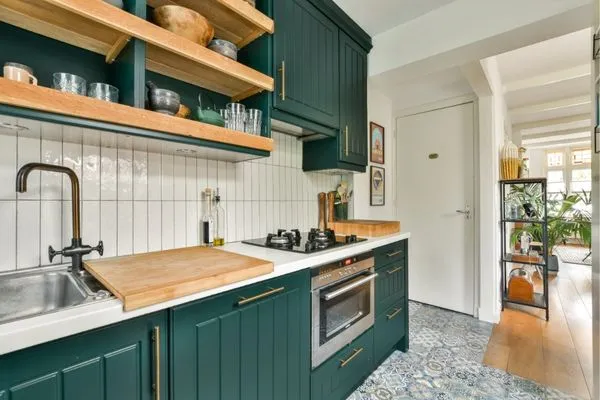
Open shelves have become popular not just for their aesthetic appeal, but also for their practicality. They encourage organization because everything is visible. They also make everyday cooking items easier to reach.
Use open shelving for items you use often, such as plates, bowls, glasses, and mixing bowls. Keep the look clean by sticking to a limited color palette or matching containers. This creates visual harmony and prevents shelves from feeling cluttered.
Balance is key. Mixing open shelves with closed cabinets gives you the best of both worlds. You can display attractive items while hiding less visually pleasing ones behind doors.
6. Pantry Storage That Actually Works
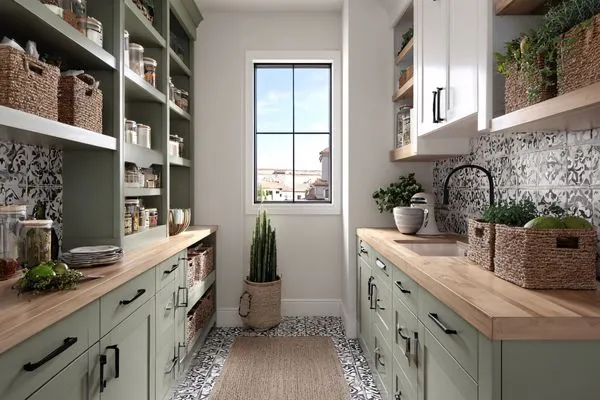
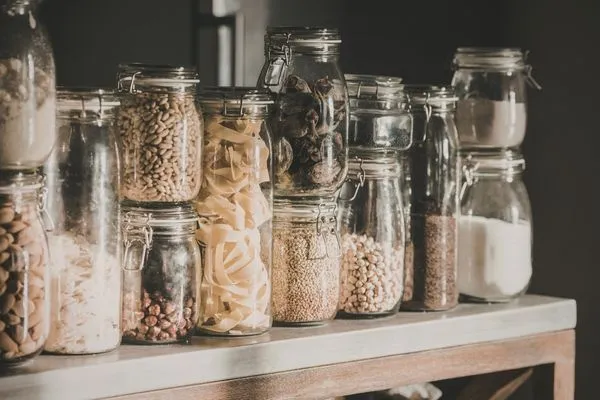
A well-organized pantry can save money and reduce food waste. Clear containers are one of the best investments for pantry storage. They allow you to see precisely what you have and how much is left at a glance.
Label everything clearly. This helps everyone in the household put items back in the right place. Group similar items together, such as baking supplies, snacks, canned goods, and grains. This makes meal planning and grocery shopping easier.
If space is limited, door-mounted racks can hold spices, sauces, or small jars. Stackable bins and baskets also help maximize vertical space while keeping items accessible.
7. Use Walls as Storage Opportunities
Walls are often underused in kitchens, but they offer valuable storage potential. Installing hooks or rails can provide space for hanging utensils, pots, and pans. This keeps them within reach while freeing up cabinet space.
Magnetic knife strips are a great alternative to bulky knife blocks. They keep knives visible, safe, and easy to grab. Magnetic spice racks can also be mounted on walls or inside cabinet doors for added storage.
Pegboards are another flexible wall storage solution. They can be customized with hooks, shelves, and baskets to suit your needs. Pegboards work exceptionally well in small kitchens where every inch counts.
8. Under-Sink Storage Solutions
The area under the sink is often tricky due to plumbing, but it can still be organized effectively. Stackable shelves or adjustable organizers can fit around pipes to create usable space.
Use bins to group cleaning supplies, trash bags, and dishwashing essentials. Pull-out drawers or sliding baskets make it easier to access items stored in the back. This prevents forgotten supplies from piling up unused.
Over-the-door organizers on the sink cabinet door can hold sponges, brushes, or spray bottles. These small additions can make a big difference in keeping this area tidy.
9. Small Kitchen Storage Ideas That Pack a Punch
In small kitchens, storage needs to be both smart and flexible. Multi-purpose furniture, such as kitchen carts or islands with built-in storage, can add valuable workspace and organization.
Folding shelves or drop-down tables provide extra surface area when needed without taking up permanent space. Stackable containers, nesting bowls, and collapsible tools also help save room.
Keeping countertops clear is especially important in smaller kitchens—store appliances you do not use daily in cabinets or pantries to maintain a clean and open feel.
10. Creative Storage for Pots, Pans, and Lids
Pots and pans are often bulky and difficult to store, but there are creative solutions that make them easier to manage. Hanging racks mounted on walls or ceilings free up cabinet space while adding a professional kitchen look.
Lid organizers are essential for keeping matching sets together. Store lids vertically in racks or attach holders inside cabinet doors. This eliminates the frustration of digging through piles of mismatched lids.
If hanging is not an option, deep drawers with dividers work well for keeping cookware organized and easy to access.
11. Food Container Organization That Saves Time
Food containers are notorious for creating clutter. The key to organizing them is consistency. Choose containers from the same brand or shape so they stack easily—store lids separately in a designated bin or rack.
Keep only what you actually use. Excess containers without matching lids should be recycled. Storing containers by size also makes it easier to grab what you need quickly.
Assign one cabinet or drawer exclusively for food storage containers. This prevents them from spreading into other areas of the kitchen.
12. Seasonal and Less-Used Item Storage
Not everything in the kitchen needs to be accessible all the time. Seasonal items, such as holiday bakeware or specialty appliances, can be stored in higher cabinets or in labeled bins.
Rotate items based on frequency of use. What you use weekly should be within arm’s reach, while items used occasionally can be stored further away. This simple principle makes everyday cooking smoother and more efficient.
Clear labels and inventory lists can help you remember what is stored where, especially for items used only once or twice a year.
13. Make Storage Personal and Practical
The best kitchen storage ideas are the ones that fit your lifestyle. A kitchen used for daily home cooking will need different solutions than one used mainly for entertaining or baking. Pay attention to your habits and adjust storage accordingly.
Do you cook from scratch often? Keep prep tools and ingredients close together. Do you rely on quick meals? Organize pantry items for easy grab-and-go access. Storage should support how you actually use your kitchen, not how it looks in a catalog.

A Kitchen That Feels Calm, Functional, and Yours
A well-organized kitchen is not about perfection. It is about creating a space that feels calm, functional, and easy to use. Small changes can lead to big improvements, whether it is adding a drawer divider, labeling pantry containers, or finally organizing that messy cabinet.
Kitchen storage ideas work best when they are thoughtful and realistic. Start with what you have, make adjustments as needed, and do not be afraid to experiment. Over time, you will find systems that truly work for you.
When your kitchen works with you instead of against you, cooking becomes less of a chore and more of a pleasure. And that is storage done right.